Sacred Places
51 places found
.JPG%2F1280px-A_a_b_c_d_e_(13).JPG&w=3840&q=75) Hinduism
HinduismAmarnath Temple
, India
A high Himalayan cave shrine in Jammu and Kashmir where a naturally forming ice lingam is venerated as Lord Śiva, drawing one of India's great seasonal pilgrimages.
temple Hinduism
Badami cave temples
, India
A celebrated complex of sixth- to eighth-century Hindu, Jain, and (likely) Buddhist cave temples carved into the red sandstone cliffs of Badami in northern Karnataka, India.
temple Hinduism
Badrinath Temple
, India
A major Himalayan Vaiṣṇava pilgrimage temple in Uttarakhand, India — one of the four Char Dham and one of the 108 Divya Desams sacred to the worship of Lord Vishnu.
temple Hinduism
BAPS Shri Swaminarayan Mandir London
, United Kingdom
A traditional Swaminarayan Hindu mandir in Neasden, north-west London — celebrated as the first authentically built Hindu stone temple in Britain and in Europe.
temple Hinduism
Besakih
, Indonesia
Bali's principal Hindu sanctuary — the 'Mother Temple' (Pura Besakih) — set high on the slopes of the sacred volcano Gunung Agung in eastern Bali, Indonesia.
temple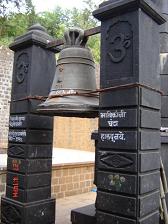 Hinduism
Bhimashankar Temple
, India
A revered Śiva temple in the forested Sahyadri hills of Maharashtra, India, enshrining one of the twelve Jyotirliṅgas and standing close to the source of the Bhīmā River.
temple Hinduism
Bishyanath Temple
, Bangladesh
A notable Śaiva temple in the Mymensingh district of Bangladesh, dedicated to Lord Śiva and recognised for its distinctive pagoda-like architectural form.
temple Hinduism
Boro Kali Bari Temple
, Bangladesh
One of the oldest and most beloved Kālī temples of Mymensingh, Bangladesh, founded around three hundred years ago and known among devotees as Joy Kālī.
temple Hinduism
Chandranath Temple
, Bangladesh
A celebrated Śākta pīṭha atop Chandranāth Hill in Chittagong, Bangladesh, traditionally identified as the place where the right arm of Devī Satī fell to the earth.
temple Hinduism
Chau Say Tevoda
, Cambodia
A mid-twelfth-century Hindu sanctuary within the great Angkor complex of Cambodia, dedicated to Śiva and Viṣṇu and admired for its delicate devatā reliefs of female celestials.
temple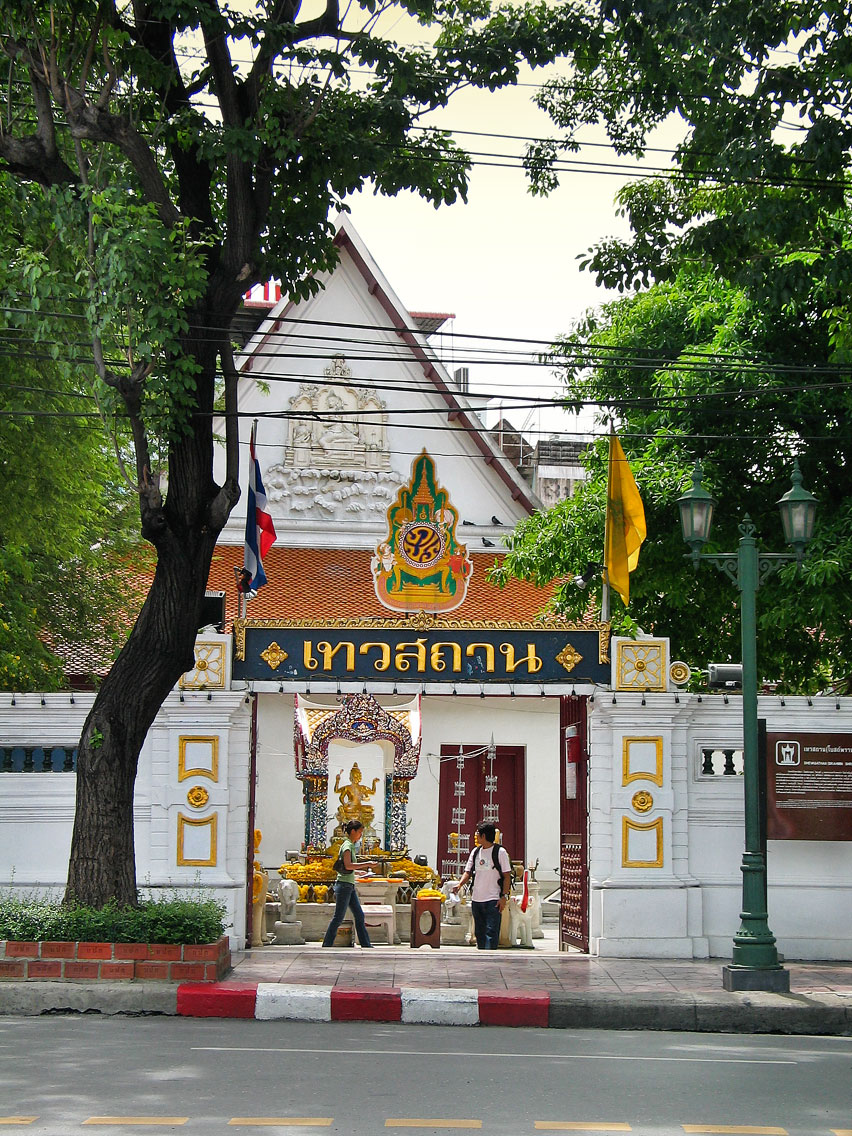 Hinduism
Devasathan
, Thailand
The official Hindu temple of the Thai royal court in Bangkok, founded in 1784 by King Rama I and home to the Court Brahmins descended from a priestly lineage of Rāmeśvaram.
temple.jpg%2F1280px-4_attached_Shiva_temples_in_Dhakeshwari_National_Temple_(North_Facing_view).jpg&w=3840&q=75) Hinduism
HinduismDhakeshwari Temple
, Bangladesh
The National Temple of Bangladesh, in Old Dhaka, dedicated to the goddess Dhākeśvarī — 'the goddess of Dhaka' — from whom the city itself is held to take its name.
temple