
Shinto
Hiraoka Shrine
, Japan
About
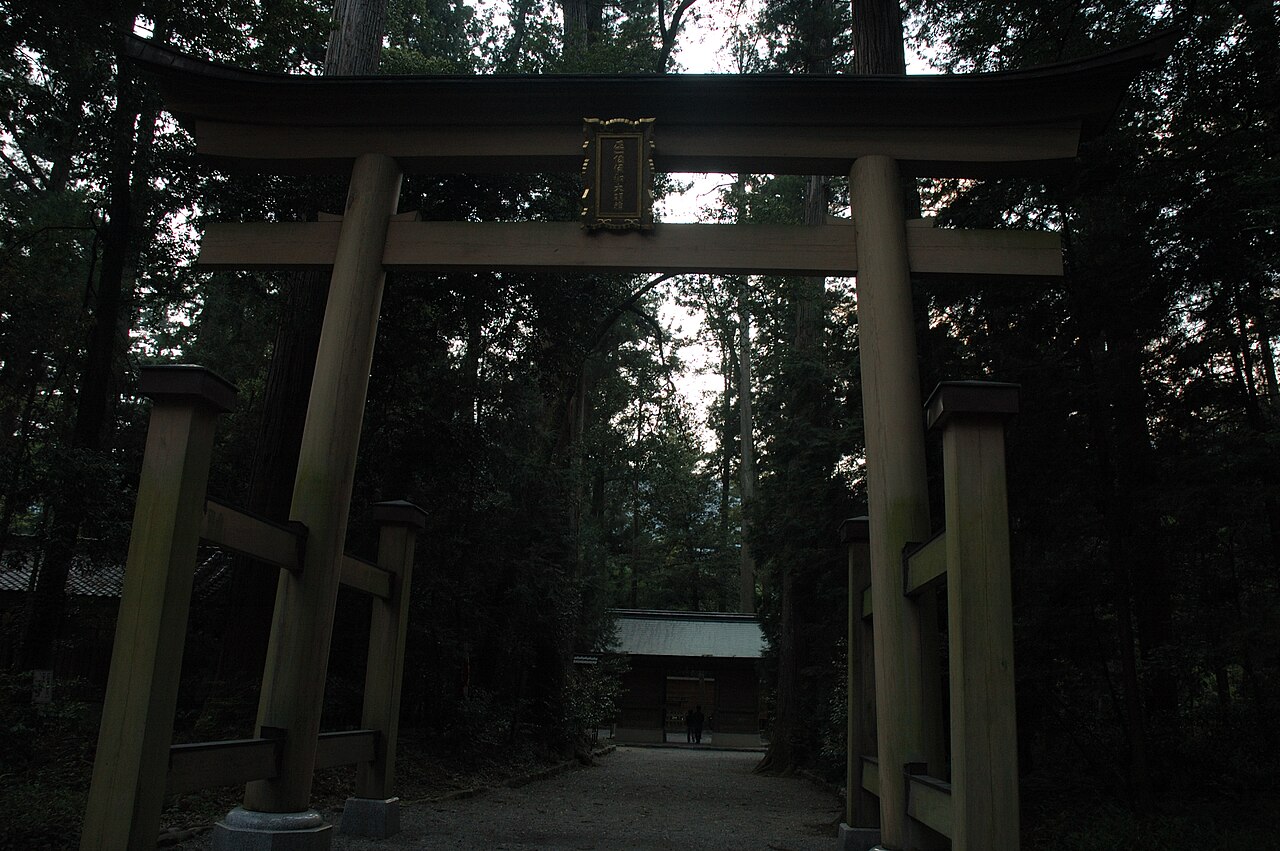
Hiraoka Shrine nestles on the western slopes of the Ikoma range in the centre of Osaka Prefecture. In its earliest days it was a place of mountain worship, with the kami of the peak Kozudake honoured behind the shrine. That mountain kami came in time to be identified with Ame-no-Koyane, the tutelary deity of the Nakatomi clan from which the great Fujiwara family descended.
Four kami are enshrined at Hiraoka: Ame-no-Koyane, ancestor of the Fujiwara; his consort Hime-gami; and the warrior deities Futsunushi of Katori Jingu and Takemikazuchi of Kashima Jingu, both protectors of the Fujiwara. These same four kami were transferred from Hiraoka to Nara when the Fujiwara established Kasuga Taisha, giving Hiraoka the affectionate title Moto-Kasuga, the original Kasuga.
The main shrine, like that of Kasuga, comprises four Kasuga-zukuri sanctuaries within a single roofed structure, and is designated a Tangible Cultural Property of Higashiosaka. The principal annual festival is observed on 1 February, when the shrine community gathers to renew the bond between kami and ujiko, the protected parishioners of the deity.
History
The shrine's founding date is unknown but is believed to lie in the Kofun period. By the Heian era, Hiraoka was listed in the official chronicles, named a Myojin-taisha in the Engishiki, and recognised as the Ichinomiya of Kawachi Province.
In 1275 the monk Eison of Saidaiji is recorded as leading a hundred priests in prayers here for the deliverance of Japan from the Mongol invasions. The shrine was burned by Oda Nobunaga in 1574 and rebuilt under the patronage of Toyotomi Hideyori between 1602 and 1605. The present main buildings were raised in 1826 through the efforts of local parishioners, and in the Meiji era the shrine was elevated to the rank of Kanpei Taisha, an imperial shrine of the first order.
Visiting
Engage with Hiraoka Shrine
Through the four pathways
Seva सेवा — Service
Offer your time and skills here. The following opportunities are open at Hiraoka Shrine:
No Seva offerings listed yet.
Sādhana साधना — Practice
Learn the worship and practice associated with Hiraoka Shrine:
No Sādhana offerings listed yet.
Sandhāna सन्धान — Wisdom
Unite with the wisdom of this tradition:
No Sandhāna offerings listed yet.
Sādhya साध्य — Giving
Support this sacred place according to your means:
No Sādhya offerings listed yet.
All giving flows directly to Hiraoka Shrine. Mandala does not take a commission.
Gallery
Related sacred places
 Shinto
Hiroshima Gokoku Shrine
, Japan
Hiroshima Gokoku Jinja, set within the grounds of Hiroshima Castle, is a Shinto shrine dedicated to the spirits of the Hiroshima war dead, rebuilt by the citizens of the city after its destruction in the atomic bombing.
shrine
 Shinto
Iwa Shrine
, Japan
Iwa Jinja in the Ichinomiya district of Shiso city, Hyogo Prefecture, is the Ichinomiya, the foremost shrine, of the former Harima Province, dedicated to Okuninushi and two companion kami.
shrine
 Shinto
Kikuchi Shrine
, Japan
A Shinto shrine in Kikuchi, Kumamoto Prefecture, Japan, enshrining three loyalist lords of the Kikuchi clan and counted among the Fifteen Shrines of the Kenmu Restoration.
shrine
 Shinto
Omura Shrine
, Japan
A Shinto shrine in Hidaka in Kochi Prefecture, Japan, founded in 587 and home to a National Treasure tachi sword venerated as the shintai of its kami.
shrine
.jpg%2F1280px-Miyayama%2C_Samukawa%2C_Koza_District%2C_Kanagawa_Prefecture_253-0106%2C_Japan_-_panoramio_(24).jpg&w=3840&q=75) Shinto
ShintoSamukawa Shrine
, Japan
An ancient Shinto shrine in Kanagawa Prefecture, honoured as the ichinomiya of former Sagami Province and drawing roughly two million worshippers each year.
shrine
 Shinto
Sumiyoshi Shrine
, Japan
A revered Shinto shrine at Hakata in Fukuoka Prefecture, Kyushu, traditionally regarded as one of the original three Sumiyoshi sanctuaries dedicated to the Sumiyoshi sea kami.
shrine