
Shinto
Kikuchi Shrine
, Japan
About
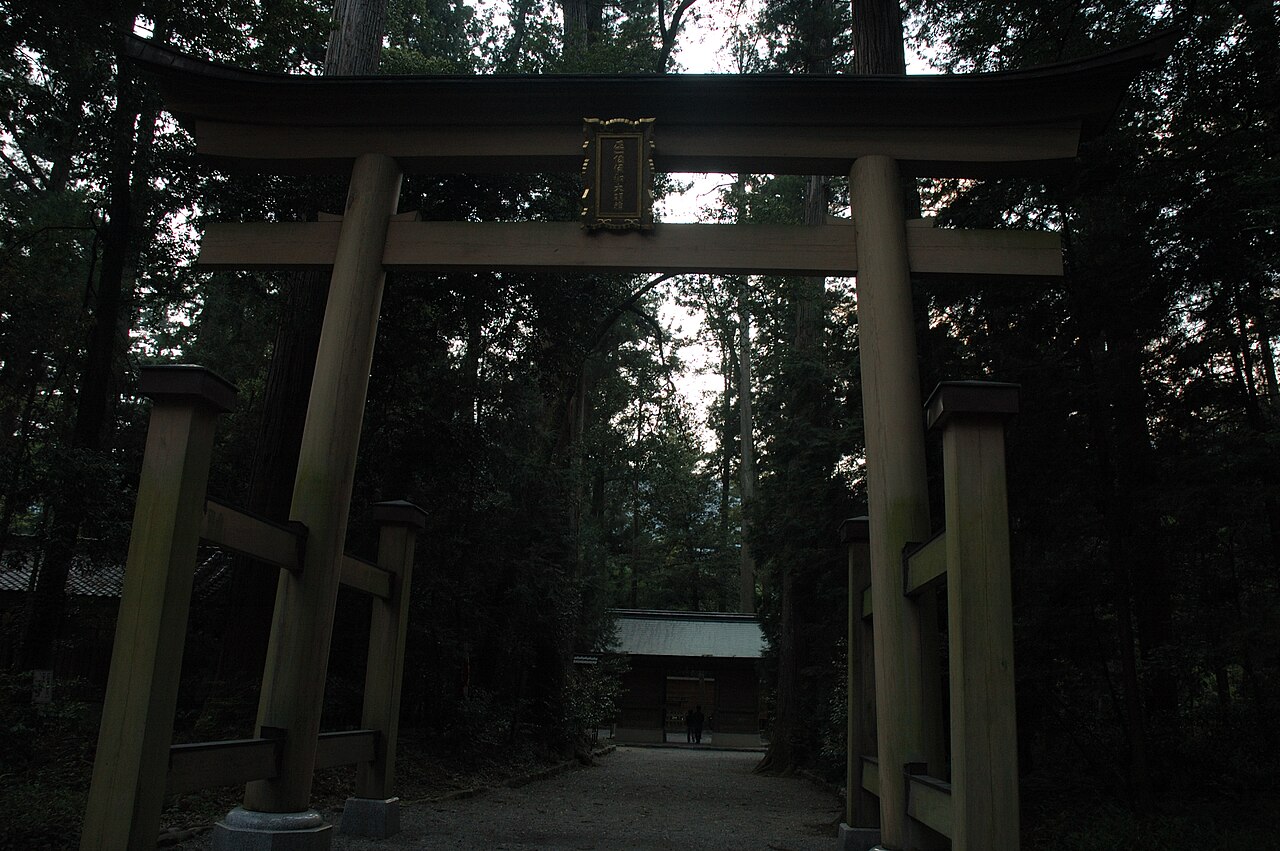
Kikuchi Jinja stands on the grounds of the old Kikuchi castle in northern Kumamoto, where Kikuchi Taketoki, his son Kikuchi Takeshige, and the unifier of Kyushu Kikuchi Takemitsu are venerated as kami. The three were daimyo of Higo Province who pledged their swords to Emperor Go-Daigo during the upheavals that led to the Kenmu Restoration of 1333, and their valour is remembered in the rites and torii of this place.
In 1868 Emperor Meiji directed that the spirits of those who had served the throne be honoured at new shrines, and Kikuchi Taketoki was the first to be enshrined here on 28 April 1870. Decades later, in March 1923, Takeshige and Takemitsu were added to the same sanctuary, completing the trio of Kikuchi kami. The shrine was elevated to the rank of Bekkaku Kanpeisha, a tier reserved for those of distinguished service to the state.
A Kumonoe-guu hall and a historical museum were raised within the precincts in 1970, drawing pilgrims and visitors who come to learn of the clan's role in defending the imperial cause and in repelling foreign invasion. The shrine marked its 130th anniversary in 2000 and continues to host annual rites in memory of the Kikuchi lords.
History
The Kikuchi clan rose to prominence in Higo Province through generations of service to the emperor. Taketoki, the eleventh head, conspired with Emperor Go-Daigo against the Kamakura shogunate and fell in battle in 1333, dying in Fukuoka where he is buried. Takeshige strengthened the clan with a new code and the Kikuchi senbon-yari, while Takemitsu later led the unification of Kyushu under the Southern Court. The shrine itself was raised on the suggestion of Nagaoka Masami and became a religious corporation in September 1952.
Significance
As one of the Fifteen Shrines of the Kenmu Restoration, Kikuchi Jinja occupies a particular place in the modern Shinto landscape, honouring loyalty to the throne during an era when imperial authority was contested. For pilgrims from Kumamoto and beyond, it preserves the memory of a clan whose name is bound to the defence of Kyushu and the cause of the Southern Court.
Visiting
Engage with Kikuchi Shrine
Through the four pathways
Seva सेवा — Service
Offer your time and skills here. The following opportunities are open at Kikuchi Shrine:
No Seva offerings listed yet.
Sādhana साधना — Practice
Learn the worship and practice associated with Kikuchi Shrine:
No Sādhana offerings listed yet.
Sandhāna सन्धान — Wisdom
Unite with the wisdom of this tradition:
No Sandhāna offerings listed yet.
Sādhya साध्य — Giving
Support this sacred place according to your means:
No Sādhya offerings listed yet.
All giving flows directly to Kikuchi Shrine. Mandala does not take a commission.
Gallery
Related sacred places
 Shinto
Hiraoka Shrine
, Japan
Hiraoka Jinja in Higashiosaka, Osaka Prefecture, is the Ichinomiya, the foremost shrine, of the former Kawachi Province, and the ancestral Shinto sanctuary from which two of the kami of Kasuga Taisha were enshrined.
shrine
 Shinto
Hiroshima Gokoku Shrine
, Japan
Hiroshima Gokoku Jinja, set within the grounds of Hiroshima Castle, is a Shinto shrine dedicated to the spirits of the Hiroshima war dead, rebuilt by the citizens of the city after its destruction in the atomic bombing.
shrine
 Shinto
Iwa Shrine
, Japan
Iwa Jinja in the Ichinomiya district of Shiso city, Hyogo Prefecture, is the Ichinomiya, the foremost shrine, of the former Harima Province, dedicated to Okuninushi and two companion kami.
shrine
 Shinto
Omura Shrine
, Japan
A Shinto shrine in Hidaka in Kochi Prefecture, Japan, founded in 587 and home to a National Treasure tachi sword venerated as the shintai of its kami.
shrine
.jpg%2F1280px-Miyayama%2C_Samukawa%2C_Koza_District%2C_Kanagawa_Prefecture_253-0106%2C_Japan_-_panoramio_(24).jpg&w=3840&q=75) Shinto
ShintoSamukawa Shrine
, Japan
An ancient Shinto shrine in Kanagawa Prefecture, honoured as the ichinomiya of former Sagami Province and drawing roughly two million worshippers each year.
shrine
 Shinto
Sumiyoshi Shrine
, Japan
A revered Shinto shrine at Hakata in Fukuoka Prefecture, Kyushu, traditionally regarded as one of the original three Sumiyoshi sanctuaries dedicated to the Sumiyoshi sea kami.
shrine