
Taoism
Snake Temple
, Malaysia
About
The Snake Temple, known in Chinese as Shé Miào and bearing the loftier title Temple of the Azure Clouds, stands in Bayan Lepas on the Malaysian island of Penang. The sanctuary is best known across Southeast Asia for the snakes that have made their home in its smoky inner halls, regarded by devotees as the reincarnated disciples of the deified Buddhist monk Chor Soo Kong, to whom the temple is consecrated.
Chor Soo Kong, also called Master Qingshui, was a monk of the Song dynasty in southern China revered for his works of healing and for the gentle care he extended to creatures, including the snakes who took refuge in his hermitage. The temple was raised in 1805 by the Chinese community of Penang to honour his memory, and tradition relates that once the building was completed, pit vipers appeared of their own accord and have remained ever since.
Pilgrims travel from across the Straits, from Singapore, Taiwan and southern China, to offer prayers and incense here, especially on the sixth day of the first lunar month, the saint's birthday. The halls are filled with the perfume of joss sticks and the quiet presence of the resident vipers coiled upon the altars and tree boughs.
The snakes are believed by tradition to be rendered docile by the sacred smoke, although for visitor safety they have been devenomed while keeping their fangs intact. Within the precinct stand two ancient brick wells known as the Dragon Eye Wells and two brass bells, and a small breeding centre established in 2005 helps to sustain the community of serpents.
Significance
The Snake Temple is a vivid emblem of the Chinese-Malaysian folk Buddhist tradition, in which the worship of an enlightened ancestor monk is interwoven with reverence for living creatures held sacred to his memory. For more than two centuries it has united Penang's diasporic Chinese community in the veneration of Chor Soo Kong, and it remains a destination of pilgrimage and contemplation for devotees from across the wider region.
Visiting
Engage with Snake Temple
Through the four pathways
Seva सेवा — Service
Offer your time and skills here. The following opportunities are open at Snake Temple:
No Seva offerings listed yet.
Sādhana साधना — Practice
Learn the worship and practice associated with Snake Temple:
No Sādhana offerings listed yet.
Sandhāna सन्धान — Wisdom
Unite with the wisdom of this tradition:
No Sandhāna offerings listed yet.
Sādhya साध्य — Giving
Support this sacred place according to your means:
No Sādhya offerings listed yet.
All giving flows directly to Snake Temple. Mandala does not take a commission.
Related sacred places
.jpg%2F1280px-11.27_%25E7%25B8%25BD%25E7%25B5%25B1%25E5%2587%25BA%25E5%25B8%25AD%25E3%2580%258C%25E9%25BE%258D%25E5%25B1%25B1%25E5%25AF%25BA%25E5%25BB%25BA%25E5%25AF%25BA280%25E5%2591%25A8%25E5%25B9%25B4%25E7%25B4%2580%25E5%25BF%25B5%25E3%2580%258D_(49131075286).jpg&w=3840&q=75) Taoism
TaoismBangka Lungshan Temple
, Taiwan
A historic Taiwanese folk temple in Taipei's Wanhua District, founded by Fujianese settlers in 1738 and dedicated above all to the bodhisattva Guanyin.
temple
.jpg%2F1280px-Cebu_Food_Trip_(11051398174).jpg&w=3840&q=75) Taoism
TaoismCebu Taoist Temple
, Philippines
A multi-tiered Taoist temple in the Beverly Hills district of Cebu City, the Philippines — built in 1972 by the local Chinese Filipino community as a centre of Dao worship.
temple
.jpg%2F1280px-Che_Kung_Temple_(Shatin%2C_Hong_Kong).jpg&w=3840&q=75) Taoism
TaoismChe Kung Miu
, People's Republic of China
A temple in Tai Wai, Sha Tin, Hong Kong, dedicated to Che Kung — a Southern Song dynasty general honoured as a protective deity in Chinese folk religion.
temple
_01.jpg%2F1280px-Chin_Swee_Caves_Temple_(230918)_01.jpg&w=3840&q=75) Taoism
TaoismChin Swee Caves Temple
, Malaysia
A Chinese temple set into the rocky highland forests of Genting, Pahang, Malaysia, dedicated to the Fujianese saint Master Qingshui and built over eighteen years by hand.
temple
 Taoism
Grand Temple of Mount Heng
, People's Republic of China
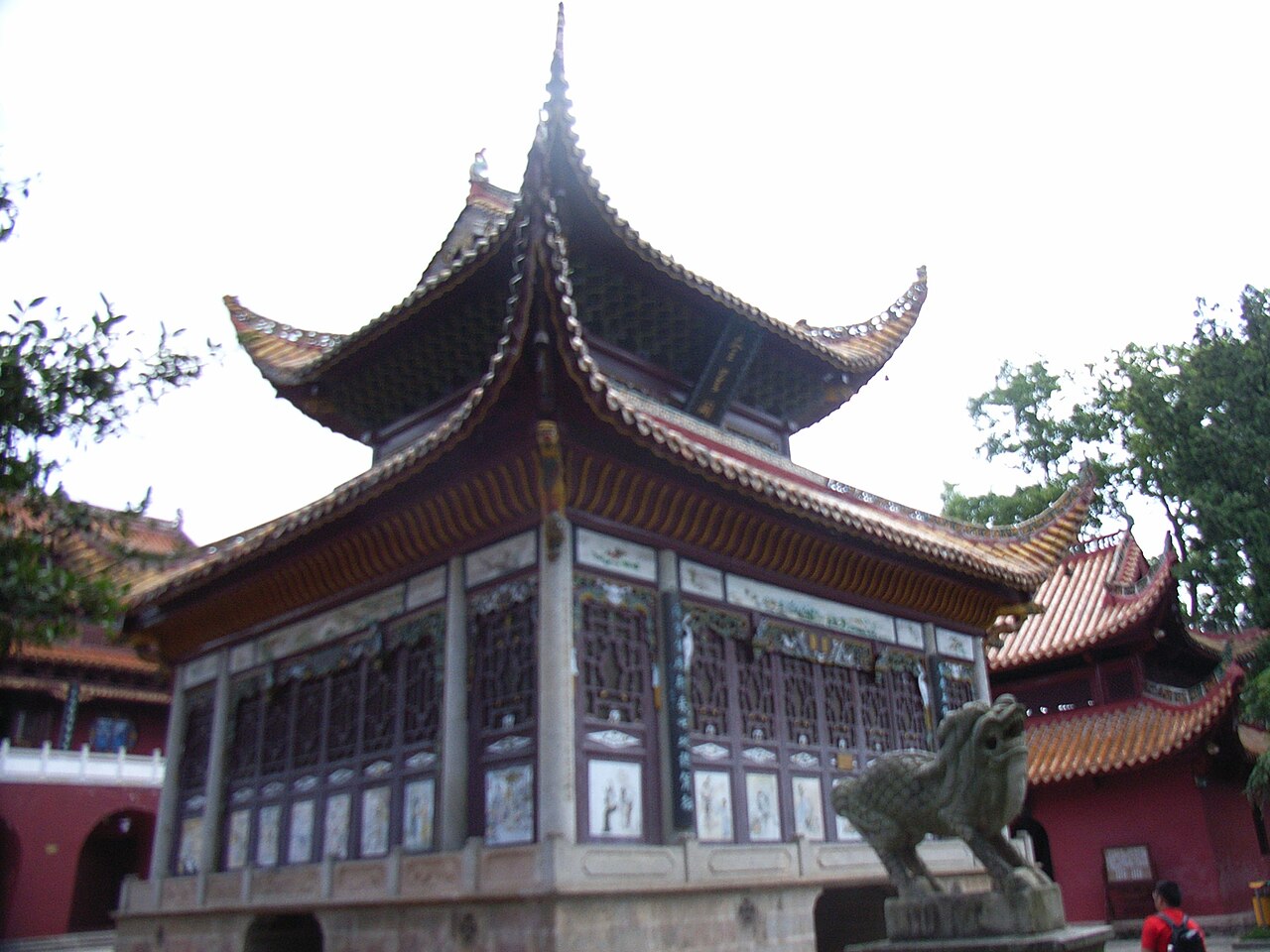
The Grand Temple of Mount Heng (Nanyue Damiao) stands at the foot of Mount Heng in Hunan, China, the largest temple complex on this sacred southern mountain and a long-standing centre of Taoist, Buddhist, and Confucian devotion.
temple
 Taoism
Louguantai
, People's Republic of China
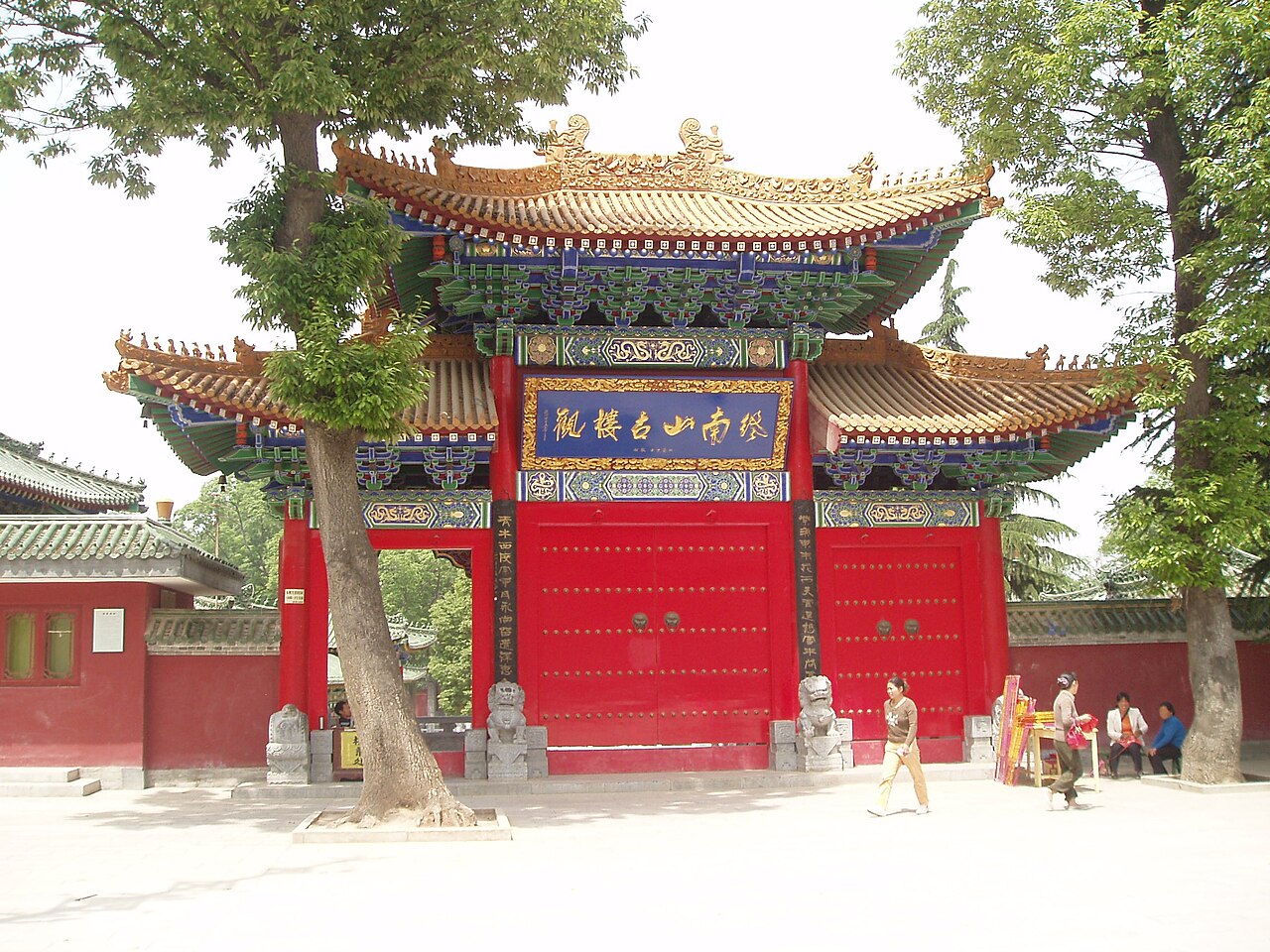
A Taoist temple in Tayu village in Zhouzhi county of Shaanxi province, China, traditionally honoured as the very place where Laozi composed the Tao Te Ching.
temple