Tradition
Sacred Places of Shinto
Jinja — shrines that honour the kami, sacred natural sites.
Shinto jinja honor the kami — spirits of place, nature, ancestor, and phenomenon — through shrines, sacred mountains, forests, and waterfalls.
On Mandala, places of Shinto are catalogued with the same care given to every other tradition. Each page is community-maintained until claimed by a verified custodian. We welcome corrections, additions, and the steady hand of those who know these places best.
9
Total places
1
Countries
Japan
Most represented
Featured places of Shinto
A curated selection from the directory.
 Shinto
Hiraoka Shrine
, Japan
Hiraoka Jinja in Higashiosaka, Osaka Prefecture, is the Ichinomiya, the foremost shrine, of the former Kawachi Province, and the ancestral Shinto sanctuary from which two of the kami of Kasuga Taisha were enshrined.
shrine
 Shinto
Hiroshima Gokoku Shrine
, Japan
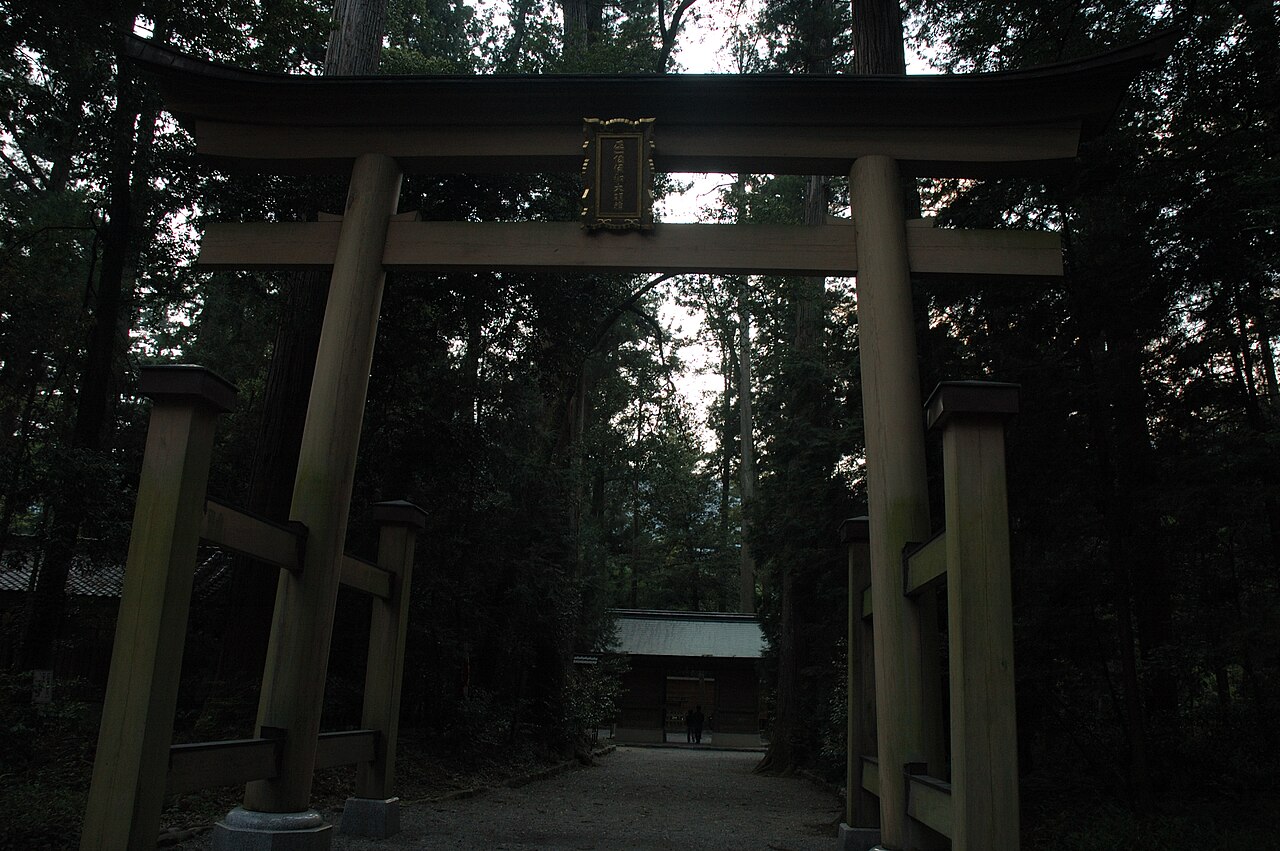
Hiroshima Gokoku Jinja, set within the grounds of Hiroshima Castle, is a Shinto shrine dedicated to the spirits of the Hiroshima war dead, rebuilt by the citizens of the city after its destruction in the atomic bombing.
shrine
 Shinto
Iwa Shrine
, Japan
Iwa Jinja in the Ichinomiya district of Shiso city, Hyogo Prefecture, is the Ichinomiya, the foremost shrine, of the former Harima Province, dedicated to Okuninushi and two companion kami.
shrine
 Shinto
Kikuchi Shrine
, Japan
A Shinto shrine in Kikuchi, Kumamoto Prefecture, Japan, enshrining three loyalist lords of the Kikuchi clan and counted among the Fifteen Shrines of the Kenmu Restoration.
shrine
 Shinto
Omura Shrine
, Japan
A Shinto shrine in Hidaka in Kochi Prefecture, Japan, founded in 587 and home to a National Treasure tachi sword venerated as the shintai of its kami.
shrine
.jpg%2F1280px-Miyayama%2C_Samukawa%2C_Koza_District%2C_Kanagawa_Prefecture_253-0106%2C_Japan_-_panoramio_(24).jpg&w=3840&q=75) Shinto
ShintoSamukawa Shrine
, Japan
An ancient Shinto shrine in Kanagawa Prefecture, honoured as the ichinomiya of former Sagami Province and drawing roughly two million worshippers each year.
shrine
 Shinto
Sumiyoshi Shrine
, Japan
A revered Shinto shrine at Hakata in Fukuoka Prefecture, Kyushu, traditionally regarded as one of the original three Sumiyoshi sanctuaries dedicated to the Sumiyoshi sea kami.
shrine
 Shinto
Suwa Shrine
, Japan
A major Shinto shrine in Nagasaki, Japan, dedicated to the Suwa kami and famed for the dynamic Kunchi festival that draws together Shinto, Chinese and Dutch influences in autumn each year.
shrine
Engage through the pathways
Every place on Mandala offers four ways to engage — beyond visiting.
Seva सेवा
Service
Offer time, presence, or skill to a sacred place or community.
Explore →Sādhana साधना
Practice
Take up a practice — meditation, mantra, study — guided by a tradition.
Explore →Sandhāna सन्धान
Wisdom
Read teachings, scripture, and commentary held by sacred places.
Explore →Sādhya साध्य
Giving
Give to upkeep, custodians, communities, and ongoing work.
Explore →