.jpg%2F1280px-20180115_BlueMosque_7839_(39263215745).jpg&w=3840&q=75)
Islam
Sultan Ahmed Mosque
, Turkey
About
The Sultan Ahmed Mosque rises in the historic heart of Istanbul, facing the great church of Hagia Sophia across the open square of the Sultanahmet quarter. Raised under the patronage of the young Sultan Ahmed I between 1609 and 1617, it is known as the Blue Mosque for the more than twenty thousand cobalt-glazed İznik tiles that line the upper reaches of its interior.
The architect Sedefkar Mehmed Aga, a pupil of the great Mimar Sinan, conceived the building as a return to the centralised plan and cascading half-domes of the Ottoman classical age. A vast central dome rises upon four massive piers, descending through subordinate cupolas, and the prayer hall opens upon a wide arcaded forecourt.
The mosque is distinguished by its six slender minarets, a feature unusual among Ottoman foundations and which famously prompted the addition of a seventh minaret to the Sacred Mosque of Mecca to preserve the precedence of that holiest sanctuary. More than two hundred and fifty stained-glass windows admit a softened daylight that diffuses across the patterned tiles and painted arabesques.
As an active congregational mosque, the Sultan Ahmed continues to gather the faithful for the five daily prayers and the Friday jum'a, even as it welcomes large numbers of visitors. It remains both a working place of Islamic worship and one of the most iconic landmarks of Istanbul.
History
Sultan Ahmed I came to the throne as a teenager and undertook the mosque as a personal pious foundation, having had no military victories to fund the kind of imperial mosque erected by his predecessors. The construction effort drew upon traditional Ottoman waqf endowments, and the surrounding külliye originally included a madrasa, a hospice, a hospital and the sultan's türbe, in which Ahmed himself was buried in 1617 shortly after the dedication of the mosque. The building has weathered earthquakes and centuries of urban change, and recent comprehensive restoration has returned its tiles and stonework to their seventeenth-century brilliance.
Significance
The Sultan Ahmed Mosque is among the great congregational sanctuaries of the Muslim world and one of the principal architectural emblems of Istanbul. Its luminous interior, its place within the Historic Areas of Istanbul UNESCO World Heritage Site and its enduring role as a place of daily prayer give it a singular standing in the religious and cultural life of Turkey.
Visiting
Engage with Sultan Ahmed Mosque
Through the four pathways
Seva सेवा — Service
Offer your time and skills here. The following opportunities are open at Sultan Ahmed Mosque:
No Seva offerings listed yet.
Sādhana साधना — Practice
Learn the worship and practice associated with Sultan Ahmed Mosque:
No Sādhana offerings listed yet.
Sandhāna सन्धान — Wisdom
Unite with the wisdom of this tradition:
No Sandhāna offerings listed yet.
Sādhya साध्य — Giving
Support this sacred place according to your means:
No Sādhya offerings listed yet.
All giving flows directly to Sultan Ahmed Mosque. Mandala does not take a commission.
Related sacred places
 Islam
IslamAbu'l-Fida Mosque
, Syria
A medieval Sunni mosque and mausoleum complex on the banks of the Orontes River in Hama, Syria, where Ayyubid and Mamluk craftsmanship meet within a single walled sacred precinct.
mosque
_(14593689400).jpg%2F1280px-By_Nile_and_Tigris_-_a_narrative_of_Journeys_in_Egypt_and_Mesopotamia_on_behalf_of_the_British_Museum_between_the_years_1886_and_1913_(1920)_(14593689400).jpg&w=3840&q=75) Islam
IslamAl-Kadhimiya Mosque
, Iraq
One of the foremost Twelver Shia shrines, set in the Kāẓimiya district of Baghdad, Iraq, sheltering the tombs of the seventh and ninth Imams as well as great Shia scholars of the medieval era.
mosque
 Islam
IslamAl-Quds Mosque Hamburg
, Germany
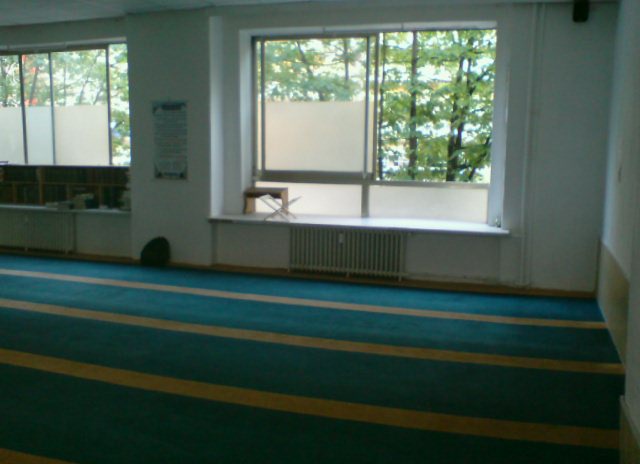
A former Sunni Muslim mosque in the German port city of Hamburg, which served local worshippers from 1993 until its closure was ordered by German security authorities in 2010.
mosque
 Islam
IslamBasharat Mosque
, Spain
The principal Ahmadiyya mosque of Spain, built at Pedro Abad near Córdoba and inaugurated in 1982 as the centre of the Ahmadiyya community in the country.
mosque
.jpg%2F1280px-Bayezid_I_Mosque_-_Y%25C4%25B1ld%25C4%25B1r%25C4%25B1m_Camii_(1).jpg&w=3840&q=75) Islam
IslamBayezid I Mosque
, Turkey
An early Ottoman congregational mosque in Bursa, Turkey, raised between 1391 and 1395 as the centrepiece of the great külliye complex of Sultan Bayezid I, called 'Yıldırım' — the Thunderbolt.
mosque
 Islam
IslamBerlin Mosque
, Germany
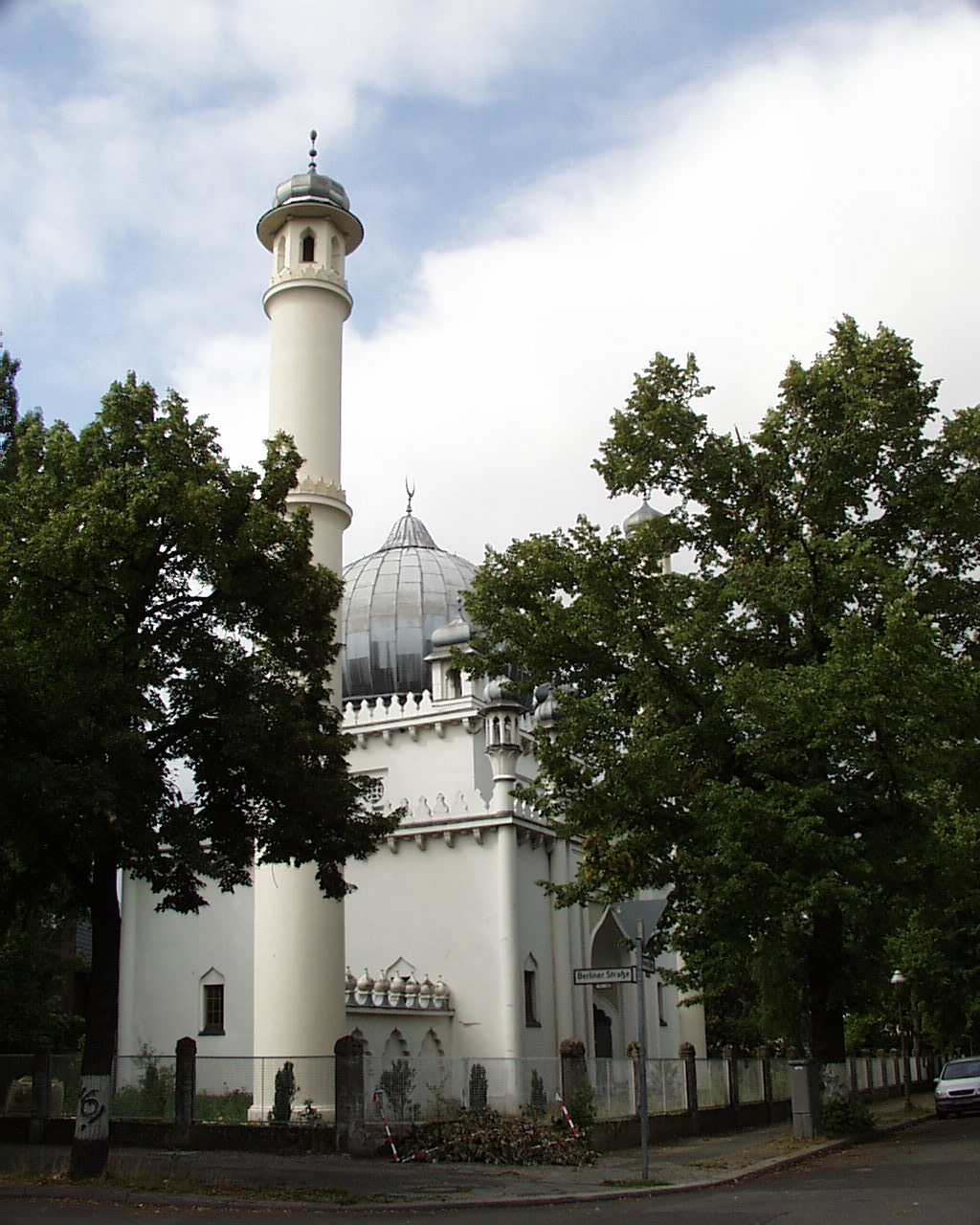
The oldest surviving mosque in Germany, built in Berlin's Wilmersdorf district in the 1920s in a Neo-Mughal style and administered by the Lahore Ahmadiyya Movement.
mosque